Would You Have Found This Story Without a Newspaper?
A Real Family History Case Study
Family history is often built from official records—certificates, census lines, and neatly typed indexes. Those sources tell us when events happened. They rarely tell us what life felt like in between.
That’s where newspapers step in.
Historic newspapers preserve the small, human moments that shaped real lives: community gossip, accidents, kindnesses, disappointments, celebrations, and everyday routines that never reached a courthouse ledger. Many of these stories appear as short notices that seem insignificant at first glance. Yet when we pause and read them carefully, they expand our understanding of the people behind the records.
This series explores real case studies drawn from newspaper articles. Each example shows how a single clipping uncovered relationships, personality, or turning points invisible in traditional documentation. The purpose isn’t just storytelling—it’s demonstrating how newspapers function as a powerful research method you can apply to your own family history.
The Discovery
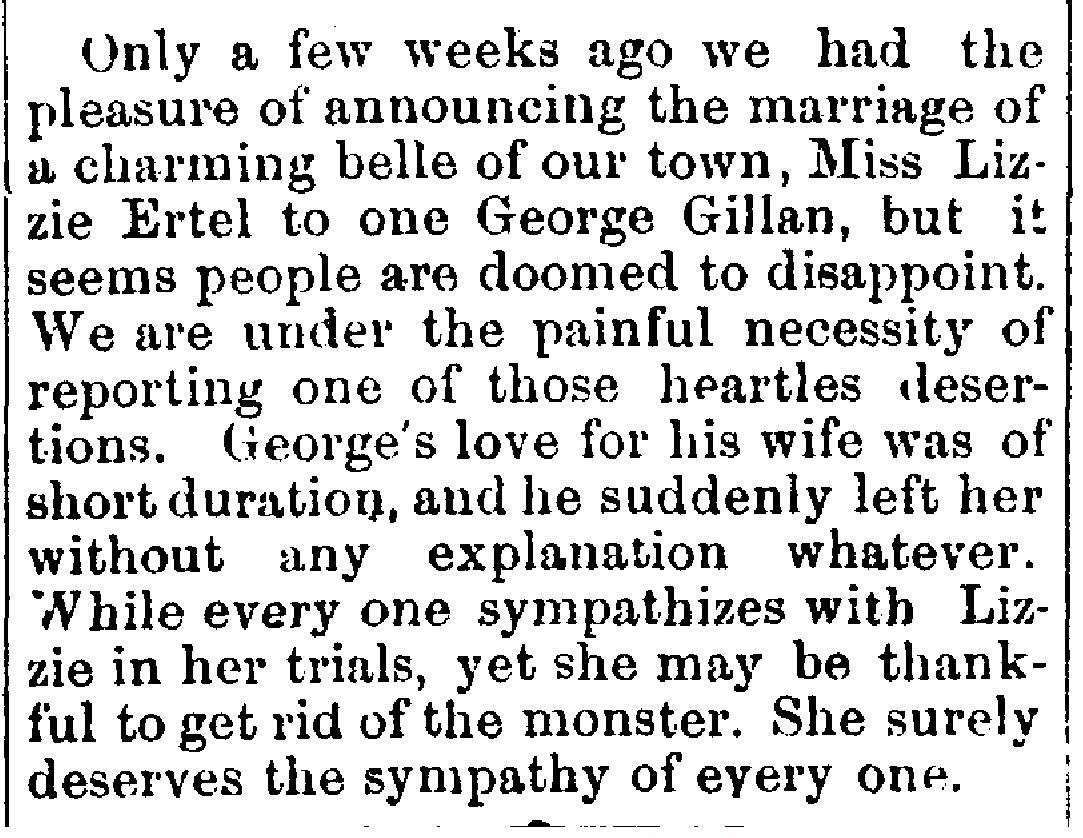
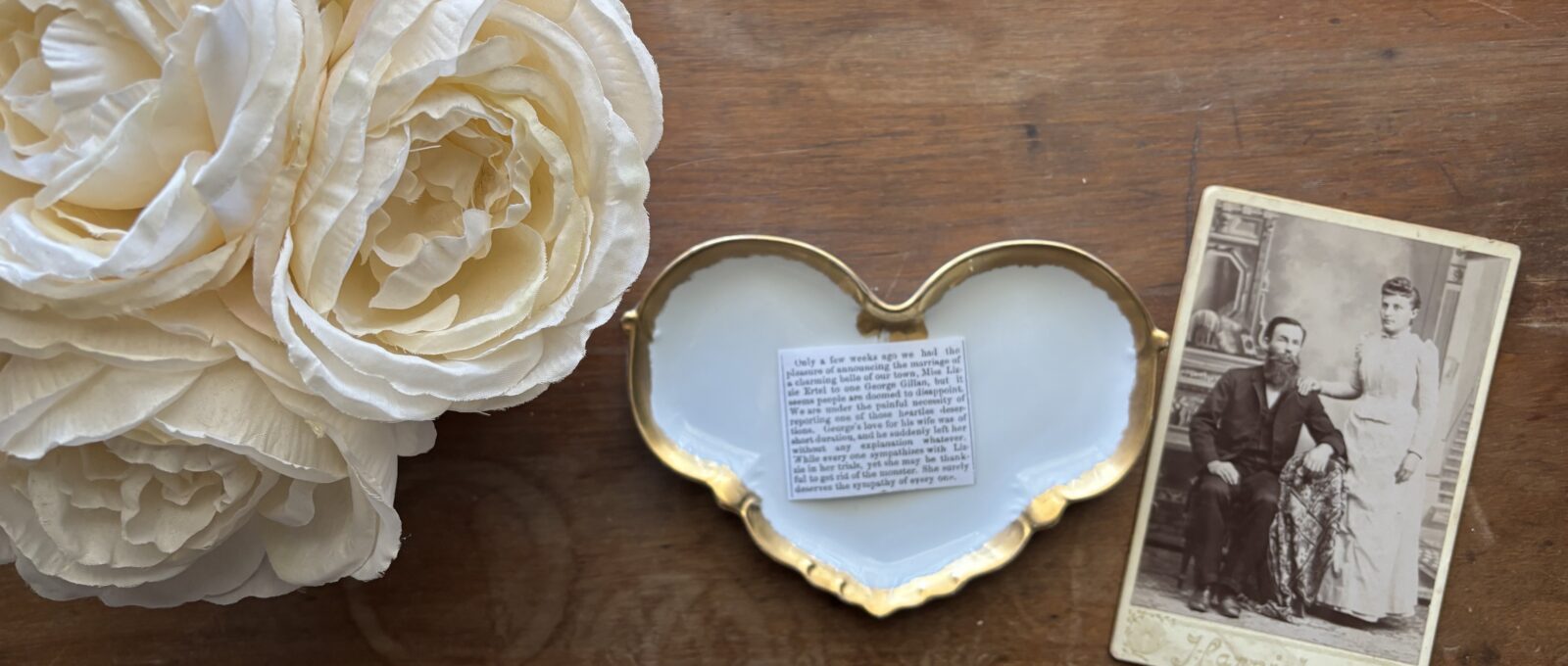
While browsing local newspapers from the 1880s, I came across a short social item in the Lock Springs news column. At first glance, it read like gossip—dramatic, emotional, and unmistakably public.
The paper announced that only weeks after a celebrated marriage, the groom had deserted his bride.
The language was harsh. The tone was sympathetic to the young wife and openly condemning of the husband. The article painted a picture of heartbreak and scandal, suggesting the marriage had collapsed almost as quickly as it began.
If I had stopped there, I would have walked away believing this was the end of their story.
Who Appears in the Article?
The notice names both spouses and frames the event as a public disappointment. The bride is described as deserving sympathy. The groom is portrayed as heartless.
It’s not a neutral report. It’s a community reaction.
At that moment in print, their marriage appears broken beyond repair.
But newspapers capture reactions in real time, not final outcomes.
Pause and think…
Are you reading a life story—or a moment in crisis?
Why This Article Caught My Eye
What struck me most wasn’t the desertion itself. It was how confidently the newspaper presented this moment, as if it defined the entire marriage.
The article felt final. It implied permanence.
Yet something about that certainty made me curious enough to keep searching.
If this truly ended the marriage, there would be no more mentions of them together. No shared visits. No later references. No future evidence of reconciliation.
So I kept reading forward.
And the story changed.
The Visible Facts | What the Newspaper Answered
The article clearly tells us:
- A marriage had recently taken place
- The husband abruptly left
- The community sympathized with the bride
- The event was public enough to be discussed in print
These are powerful facts. They reveal social expectations, public judgment, and the emotional tone of the town.
But they only describe a single point in time.
Research tip…
A newspaper article shows what people believed in that moment—not what ultimately happened.
The Hidden Clues | What Questions It Raised
The more important question became:
What happened next?
Following the couple forward through later newspapers revealed something the original article never predicted.
They reconciled.
Mentions began appearing in local columns again:
- Sunday visits to her father’s home
- Social appearances as a married couple
- Ordinary references that signaled stability
- Eventually, an obituary confirming a marriage lasting more than forty years
The scandal that once seemed defining became only a chapter.
This wasn’t the end of their story. It was a temporary fracture in a long marriage.
Why Those Clues Matter
This progression transforms how we understand the couple—and the community around them.
The desertion notice shows public judgment. The later mentions show reintegration. The obituary confirms endurance.
Together, these articles reveal:
- Family reconciliation
- Community memory
- Long-term stability after crisis
- A marriage stronger than its worst moment
Without newspapers, the marriage record alone would look uneventful. With newspapers, we see tension, repair, and resilience.
That’s the difference between a record and a story.
Think beyond headlines…
Newspapers capture emotion, but the full archive reveals growth.
How to Apply This to Your Own Research
When you find scandal or conflict in newspapers:
- Never assume the first article tells the final outcome
- Search forward in time, not just backward
- Look for ordinary mentions after dramatic events
- Use census, marriage, and obituary records to confirm continuity
A single article rarely defines a life.
Patterns do.
If you’re stuck…
Follow the timeline year by year. Newspapers reward patience.
What This Article Taught Me
- Newspaper notices capture a moment in crisis, not the full life story.
- A dramatic headline doesn’t always reflect the eventual outcome.
- Following a story forward through later newspapers can reveal reconciliation and stability.
- Newspapers should be read alongside census, marriage, and obituary records to avoid false conclusions.
Would I have found this story without a newspaper?
Without newspapers, this chapter of their marriage would be invisible.
Official records show beginnings and endings. Newspapers show what happened in between. They capture the messy, human moments—missteps, reconciliations, and ordinary days that shaped real lives.
An article doesn’t just add information; it adds perspective. When research stalls, step away from the indexes and spend time browsing the papers your ancestors knew. Context often reveals what records never say outright.
There’s more to family history than names and dates. Explore NewspaperArchive and uncover the stories behind them.