When it comes to uncovering the stories of your World War I ancestors, historical newspapers are an invaluable—and often underused—resource. While military records, draft cards, and official rosters provide important facts, newspapers breathe life into those details. They capture emotion, community response, personal perspectives, and the nuances of everyday life before, during, and after the war.
But finding those stories isn’t always about the front page. To truly understand your ancestor’s experience, look beyond headlines. Hidden in the interior pages and tucked in regular columns are rich clues and narrative gold.
Here are 19 newspaper columns and features you shouldn’t ignore when researching your WWI ancestors:
1. Society Columns

These sections, often dismissed as social fluff, are a secret weapon for genealogists. Society pages were hyperlocal and community-focused, frequently mentioning visitors to town, social gatherings, and military departures or homecomings.
When scanning society columns, watch for key phrases that signal military connections:
- “entertaining in honor of” recently enlisted sons
- “returning home on furlough”
- “stationed at” various locations
- hosting gatherings for those “recently called to service”
- celebrations for the “safe return” of local men
Even brief social mentions can reveal crucial details about service dates, military units, travel patterns, and family relationships that might not appear anywhere else in the historical record.
See who was heading off to war in this society column—click to read the article.
2. Casualty Lists

Published regularly by local and national papers, casualty lists reported soldiers who were wounded, missing, or killed. These columns often appeared in the same spot each day or week and might include the soldier’s rank, unit, and sometimes a hometown.
When searching for casualty information, look for these common column headings and phrases:
- “Roll of Honor”
- “Killed in Action”
- “Wounded in Service”
- “Missing in Action”
- “Gold Star Honor Roll”
- “Our Fallen Heroes”
Search by surname and state, especially if your ancestor had a common name. Cast a wide net by checking both local hometown papers and larger regional publications, as casualty lists were often reprinted across multiple newspapers.
Read an actual casualty list published during the war—click to view.
3. Honor Rolls

Honor Rolls recognized those who had enlisted or were actively serving. Many towns published these lists with pride, sometimes including the names of all local servicemen on a single page. They might also include photos, ranks, units, or service branches.
When searching for honor roll mentions, look for these common headings and descriptive phrases:
- “Our Boys in Service”
- “Honor Roll of Local Men”
- “Sons in Uniform”
- “Service Honor List”
- “Those Who Serve”
- “Community Heroes”
- “Pride of Our Town”
Some communities even printed commemorative editions listing every service member from their area, which make excellent keepsakes and storytelling tools. These special issues were often published around holidays or significant wartime milestones.
Explore a local WWI Honor Roll and the names it memorialized.
4. War News Briefs

These were often short columns or sidebars highlighting quick updates from the front. They might mention troop movements, battles, or local connections to major military events.
When scanning war news briefs, watch for these types of mentions and phrases:
- “participated in the offensive”
- “served with distinction”
- “recently promoted to”
- “transferred to new unit”
- “awarded for bravery”
- “reported among those present”
- “assigned to special duty”
Because these sections were typically concise, you might find small but significant details that provide crucial timeline markers for further research. These brief mentions often contained specific battle names, unit designations, or location references that can help piece together your ancestor’s military service timeline.
Catch a glimpse of how towns reported war updates—click to view.
5. Soldier Letters Home

Many newspapers printed excerpts or full letters sent by local soldiers. These columns offer firsthand accounts of training camps, trench warfare, downtime, and emotional reflections. They’re often written in the soldier’s voice, making them especially poignant for storytelling.
When searching for published soldier letters, look for these common column headings and introductory phrases:
- “Letters from Our Boys”
- “Word from the Front”
- “Messages from Camp”
- “Our Soldiers Write Home”
- “From the Trenches”
- “News from Overseas”
- “A Letter from France”
Try searching by regiment or camp name if you don’t know whether your ancestor’s letters were printed—newspapers sometimes grouped letters from multiple men in the same unit together. These personal accounts often contain vivid details about daily military life that can’t be found in official records.
Step into the trenches—read a real letter home from a WWI soldier.
6. Draft Registration Notices

In the months leading up to and during the war, newspapers frequently ran announcements about draft registration dates, who had to register, and sometimes lists of those who complied. These notices can help you understand the context of your ancestor’s registration card.
When searching for draft-related coverage, look for these common headings and phrases:
- “Registration Day Announced”
- “All Men Must Register”
- “Draft Board Notice”
- “Selective Service List”
- “Those Who Registered”
- “Compliance with Draft Law”
- “Local Registration Results”
Some communities even published registrants’ names in print—a valuable resource for confirming timelines and residency. These announcements often included specific dates, age requirements, and local registration locations that can help you better understand your ancestor’s draft experience.
See how draft registration day was announced and who was called—click to view the original notice.
7. Military Send-Offs and Parades

Before young men left for training camps, towns often organized public send-offs or patriotic parades. Local papers usually covered these events in detail, sometimes listing each participant.
When searching for send-off coverage, look for these common headlines and phrases:
- “Boys Leave for Camp”
- “Crowd Gathers at Depot”
- “Public Banquet Held for Recruits”
- “Farewell Ceremony”
- “Patriotic Send-Off”
- “Community Honors Departing Sons”
- “Grand March to Station”
These stories offer insight into the local mood and community support, sometimes including quotes or speeches given by your ancestor or their family. Coverage often mentioned specific departure dates, training camp destinations, and the names of family members who attended these emotional community gatherings.
Read about a WWI parade that sent soldiers off in style—click to see.
8. Welcome Home Celebrations

Just as they reported on departures, newspapers documented returns. You might find welcome-home mentions in society news or featured in local event coverage. These might include the date your ancestor returned, details of injuries or medals, and even remarks about their post-war plans.
When searching for homecoming coverage, look for these common headlines and phrases:
- “Heroes Return Home”
- “Welcome Back Celebration”
- “Our Boys Are Back”
- “Veteran Receives Warm Welcome”
- “Honored for Service”
- “Safe Return from Overseas”
- “Community Welcomes Home”
Such columns also reveal how the community honored its veterans—valuable context for your family story. Coverage often included details about specific injuries sustained, medals earned, future employment plans, and the emotional reactions of waiting families.
See how communities welcomed home their WWI heroes—click to read about the arrival home.
9. Obituaries and Memorial Columns
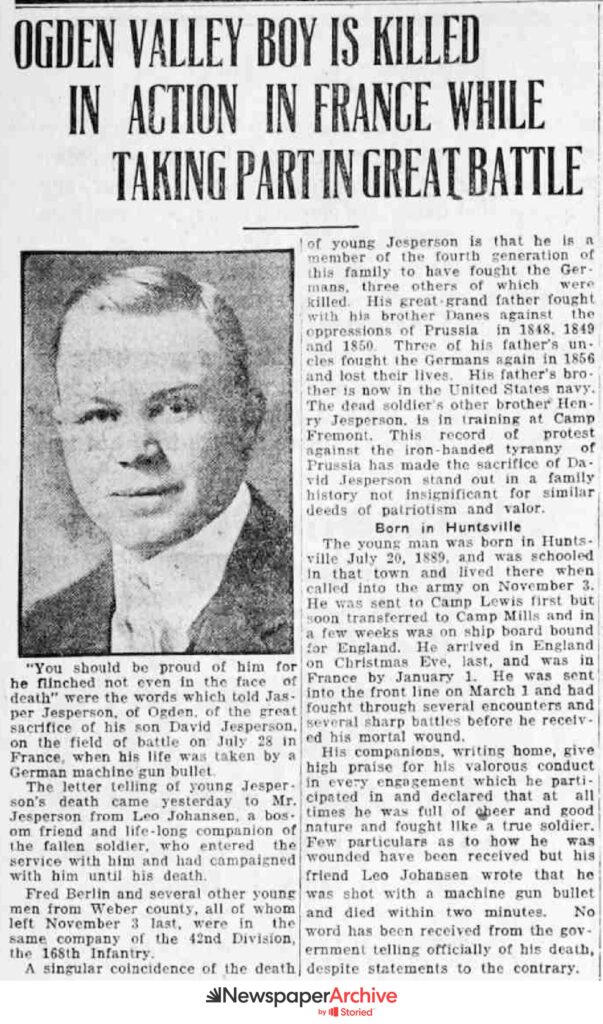
If your ancestor died in service, newspapers are often the first place those details became public. Obituaries from this era frequently mentioned military service, where the individual was stationed, and sometimes even included letters from officers or comrades describing the death.
When searching for obituaries and memorial coverage, look for these common headings and phrases:
- “Died in Service of Country”
- “Made Supreme Sacrifice”
- “Fallen Hero Remembered”
- “Gold Star Family”
- “Lost in Action”
- “Memorial Day Tribute”
- “Armistice Day Honor Roll”
War memorial columns—especially around Armistice Day—might revisit their story years later. These pieces often contained details about the circumstances of death, final letters home, and testimonials from fellow soldiers that provide deeply personal insights into your ancestor’s final days.
Read the somber notice of a fallen soldier published in his hometown paper.
10. Camp Newsletters or Syndicated Camp Columns

Some camps had their own columns syndicated in local papers. These featured updates about specific units, training milestones, injuries, visits home, and sometimes rosters of recent arrivals—perfect for tracking movement.
When searching for camp-specific coverage, look for these common column headings and phrases:
- “News from Camp”
- “Training Updates”
- “Recent Arrivals”
- “Camp Roster”
- “Unit Activities”
- “From the Barracks”
- “Military Base Report”
These specialized columns often provided detailed information about daily camp life, training exercises, and personnel movements that wouldn’t appear in general war news. They frequently included names of soldiers completing specific training phases, receiving promotions, or being transferred to new assignments.
Get a glimpse of daily life at a WWI training camp—read a real camp column shared in hometown papers.
11. Red Cross and War Relief Reports

Newspapers often published columns listing donors, volunteers, and activities tied to the Red Cross or Liberty Loan Drives. These might include your ancestor’s name or reflect community involvement, especially for women and older family members.
When searching for war relief coverage, look for these common headings and phrases:
- “Red Cross Report”
- “Liberty Loan Contributors”
- “War Relief Donors”
- “Volunteer Honor Roll”
- “Home Front Heroes”
- “Women’s War Work”
- “Community Support Fund”
These columns provide valuable insight into how families supported the war effort from home and often listed specific monetary contributions, volunteer hours, or materials donated. They’re particularly useful for tracking the activities of women, elderly parents, and siblings who remained on the home front during the war.
See how communities rallied to fund the war effort—read a newspaper report on a local Liberty Loan drive or relief event.
12. War-Related Church News and Bulletins

Church columns often mentioned members serving overseas, included prayers for local soldiers, and shared updates from chaplains. These are often overlooked but offer a community-centered view of war support and losses.
When searching for church-related war coverage, look for these common headings and phrases:
- “Church Members in Service”
- “Prayers for Our Boys”
- “From the Chaplain”
- “Service Stars”
- “Church Honor Roll”
- “Memorial Service”
- “Congregation Updates”
These columns provide a unique spiritual perspective on the war experience and often included personal details about parishioners’ military service, family concerns, and community mourning. They frequently mentioned specific prayer requests, memorial services, and updates from military chaplains serving with local units.
See how faith communities supported soldiers from the pulpit to print.
13. Business & Employment News
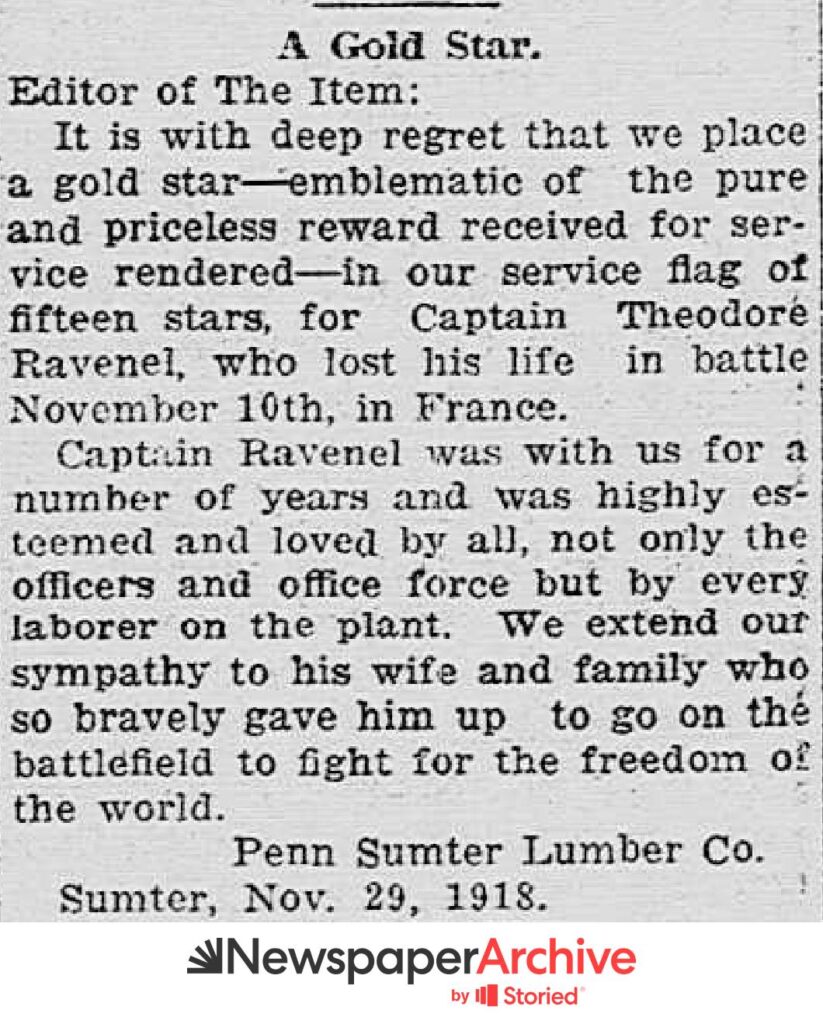
Papers sometimes printed lists of workers leaving jobs to enlist or of companies that made patriotic contributions. If your ancestor worked in a significant business or factory, their name might appear here as part of a workforce roll or honor list.
When searching for business-related war coverage, look for these common headings and phrases:
- “Workers Answer the Call”
- “Company Honor Roll”
- “Employees in Service”
- “Factory War Workers”
- “Business Patriotic Fund”
- “Industrial Honor List”
- “Workplace Send-Off”
These columns often provided details about your ancestor’s civilian occupation, employer, and the transition from peacetime work to military service. They sometimes included information about job guarantees for returning veterans, wartime production efforts, and how local businesses supported their employees who enlisted.
See how local businesses showed their patriotism—click to read an example.
14. Veterans’ Columns (Post-Armistice)

After the war, many newspapers ran regular features for local veterans—reunions, benefits, injury updates, or VA announcements. These columns, especially in the 1920s, are invaluable for post-war tracing.
When searching for post-war veterans coverage, look for these common headings and phrases:
- “Veterans’ News”
- “Ex-Service Men”
- “American Legion Post”
- “Veterans’ Reunion”
- “Disability Benefits”
- “Bonus March Updates”
- “Old Soldiers Gather”
These columns often provided ongoing details about your ancestor’s post-war life, including medical treatments for war injuries, participation in veterans’ organizations, employment assistance programs, and social gatherings with fellow servicemen. They’re particularly valuable for tracking veterans through the 1920s and beyond.
See how returning WWI soldiers reflected on service and life after the war—click to read a postwar veterans’ column.
15. Overseas Death or Burial Notices

Separate from obituaries, these were often brief announcements about the return of remains or burial arrangements. They can help confirm death and burial details and sometimes include repatriation dates years later.
When searching for burial and repatriation notices, look for these common headings and phrases:
- “Body to Arrive”
- “Remains Returned”
- “Repatriation Notice”
- “Burial Announcement”
- “Final Homecoming”
- “Soldier’s Body Recovered”
- “Memorial Burial Service”
These notices were typically concise but contained essential logistical information about funeral arrangements, arrival dates of remains, and burial locations. They often appeared months or even years after the initial death announcement, as the process of returning bodies from overseas battlefields could be lengthy and complex.
Read how newspapers reported the loss—and eventual return—of fallen WWI soldiers buried overseas.
16. War Poetry and Community Tributes
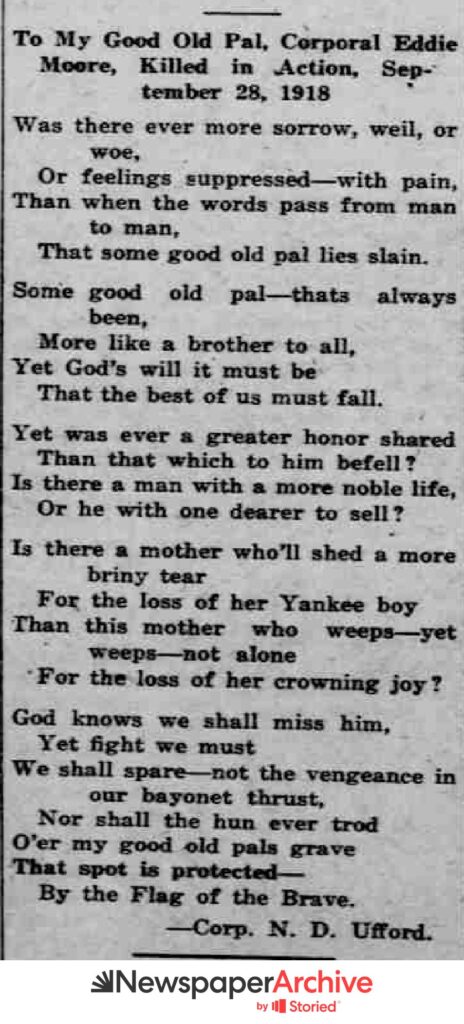
Local poets and writers often responded to war events with published tributes. You might find a poem about a soldier by name or a memorial to local boys lost in action. These add emotional and cultural depth.
When searching for literary tributes and poetry, look for these common headings and phrases:
- “In Memory Of”
- “A Tribute to Our Boys”
- “Memorial Verse”
- “Poem for the Fallen”
- “Community Tribute”
- “Lines Written for”
- “In Honor of Local Heroes”
These pieces often appeared on anniversaries of deaths, around Memorial Day, or following major battles. They provide unique insight into how the community processed grief and honored sacrifice, sometimes including specific details about your ancestor’s character, service, or the circumstances of their death that won’t be found in official records.
Discover how communities honored their heroes in verse—read a moving wartime poem.
17. Women’s and Auxiliary Columns

These sections might mention service by women as nurses, clerks, or volunteers. Groups like the Women’s Auxiliary, Gold Star Mothers, or the Salvation Army were frequently covered—and your ancestor may have been involved.
When searching for women’s wartime activities, look for these common headings and phrases:
- “Women’s War Work”
- “Auxiliary News”
- “Gold Star Mothers”
- “Nurses Overseas”
- “Salvation Army Report”
- “Women’s Service League”
- “Home Front Volunteers”
These columns often detailed the contributions of mothers, sisters, wives, and daughters who supported the war effort through nursing, clerical work, fundraising, or volunteer organizations. They frequently included names of women who traveled overseas, worked in military hospitals, or led local relief efforts—providing crucial documentation of female family members’ wartime experiences.
Discover the unsung efforts of women’s auxiliaries supporting troops from behind the scenes—read an excerpt from the press.
18. Cartoons and Wartime Illustrations

While not “columns” per se, editorial cartoons, satirical sketches, and illustrated news can provide a vivid view of how the war was portrayed in the media and how soldiers and civilians were characterized. Use these to enhance storytelling and context.
When searching for visual war content, look for these common features and captions:
- “Editorial Cartoon”
- “War Illustrations”
- “Satirical Sketches”
- “Patriotic Art”
- “Political Commentary”
- “Wartime Humor”
- “Victory Illustrations”
These visual elements often captured public sentiment, political opinions, and cultural attitudes that written articles might not express as directly. They provide valuable context for understanding how your ancestor’s community viewed the war, enemy nations, military service, and home front sacrifices during the time period.
See how artists captured the spirit and struggles of WWI—click to view a cartoon from the era.
19. Advertisements
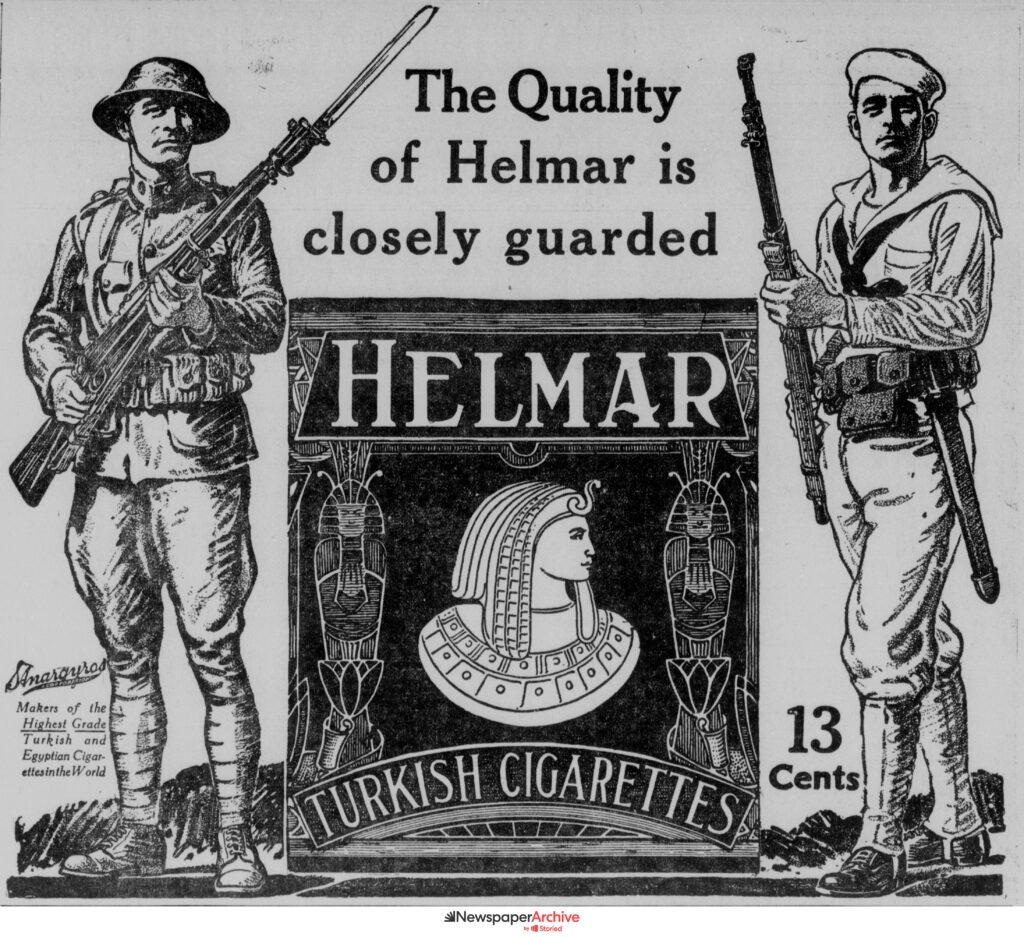
Wartime advertisements often reflect both the economic and emotional pulse of the era. Businesses frequently promoted products with patriotic slogans, encouraged war bond purchases, or highlighted goods “for the boys overseas.”
When searching for wartime advertisements, look for these common themes and phrases:
- “For the Boys Overseas”
- “Support Our Fighting Men”
- “Buy War Bonds”
- “Victory Garden Supplies”
- “Patriotic Products”
- “Home Front Essentials”
- “Send to Your Soldier”
These advertisements provide valuable insight into daily life during wartime, showing what products were scarce, what items families sent to soldiers, and how businesses capitalized on patriotic sentiment. They often reveal the economic conditions your ancestor’s family faced and the consumer culture surrounding military service.
From patriotic pitches to wartime products—see how ads reflected the times during WWI. Click to view an original ad.
Bringing Your Ancestor’s Story to Life
Limiting your search to front-page headlines or formal obituaries means missing the richest details of your ancestor’s wartime experience. These often-overlooked newspaper sections offer intimate glimpses into military life, community support, and personal struggles that official records simply can’t provide.
By exploring these diverse columns, you’ll discover more than dates and facts—you’ll uncover the emotions, relationships, and local connections that shaped your ancestor’s war experience. These human details transform a name on a military roster into a real person with hopes, fears, and a community that cared about their fate.
Love What You Saw Here? This is just the beginning. Click here to learn more about NewspaperArchive and start uncovering your history today.